Will we still need hair fibres in 20 years?
Hair loss basicsThe breakthroughs that could change hair loss forever.
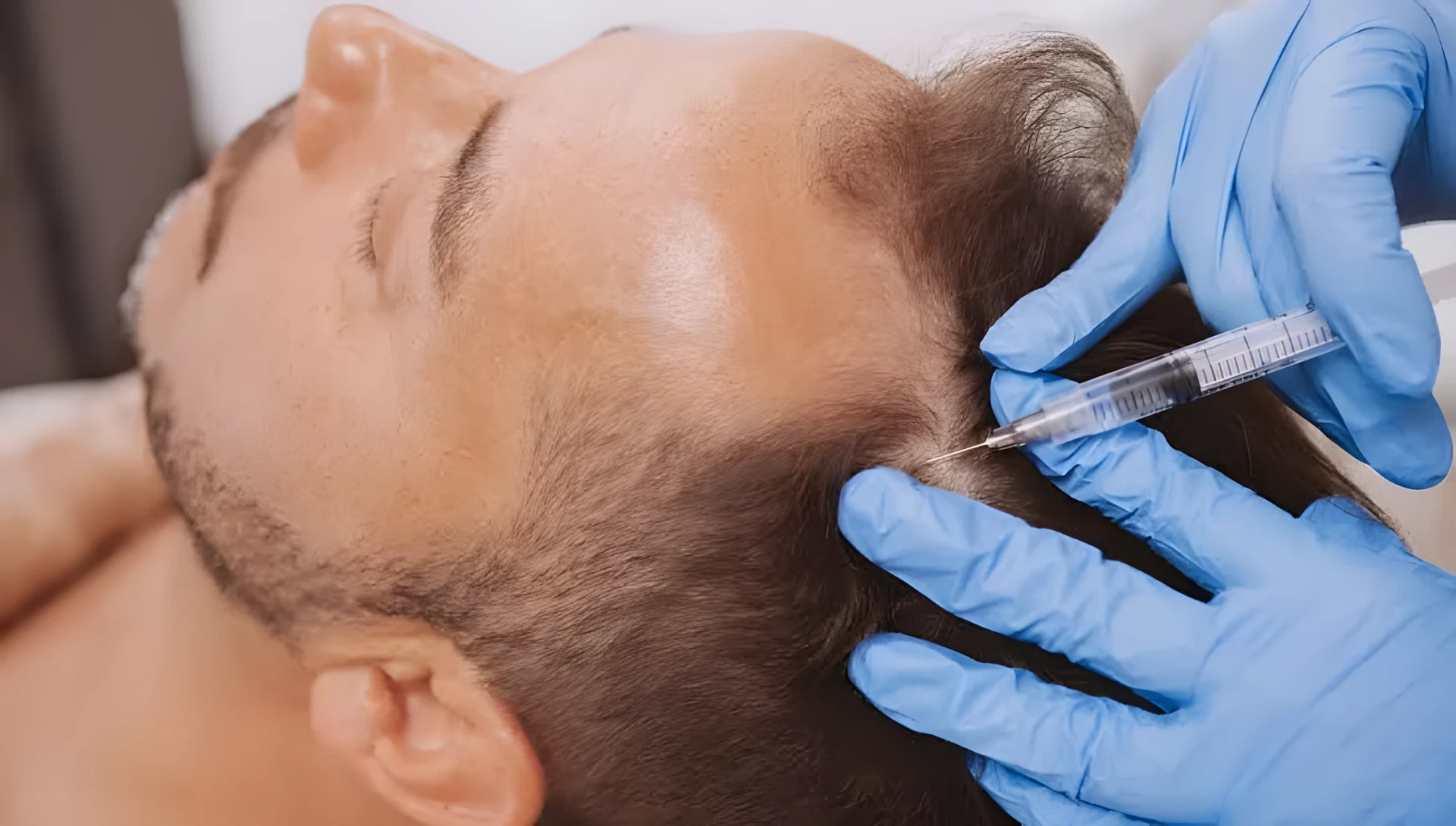
Every few months a headline promises that baldness is finished. A molecule in a Japanese lab, a stem-cell trial in Los Angeles, a gene that switches follicles back on. Then nothing arrives at the chemist, and the cycle restarts.nnSo here is an honest look at what is actually in the pipeline, what it would take to reach an Australian bathroom, and what you do in the meantime.
What is actually in the pipeline
Three broad approaches matter. Follicle-cloning multiplies your own cells and reimplants them, which sidesteps the donor-supply problem that limits transplants. Small-molecule drugs, most of them repurposed from other conditions, aim to restart follicles that have shrunk but not died. And gene therapy targets the signalling that tells a follicle to give up in the first place.
n
All three have produced real hair in real people. None has produced it reliably, evenly, or affordably, which is the part the headlines skip.
n
Why twenty years is the honest number
A treatment that works in a dish is roughly a decade from a pharmacy shelf, assuming nothing goes wrong. Trials run in phases, each one longer and more expensive than the last, and hair loss sits in an awkward category: distressing enough that people will pay, not dangerous enough to get a fast-track review.
n
Then there is price. The first version of anything like this will cost what a car costs. It takes another decade of competition before it costs what a haircut costs.
n
What that means for the next Tuesday
If a breakthrough lands in 2045, it does nothing about the meeting you have on Tuesday, the wedding in March, or the overhead light in the office lift.
n
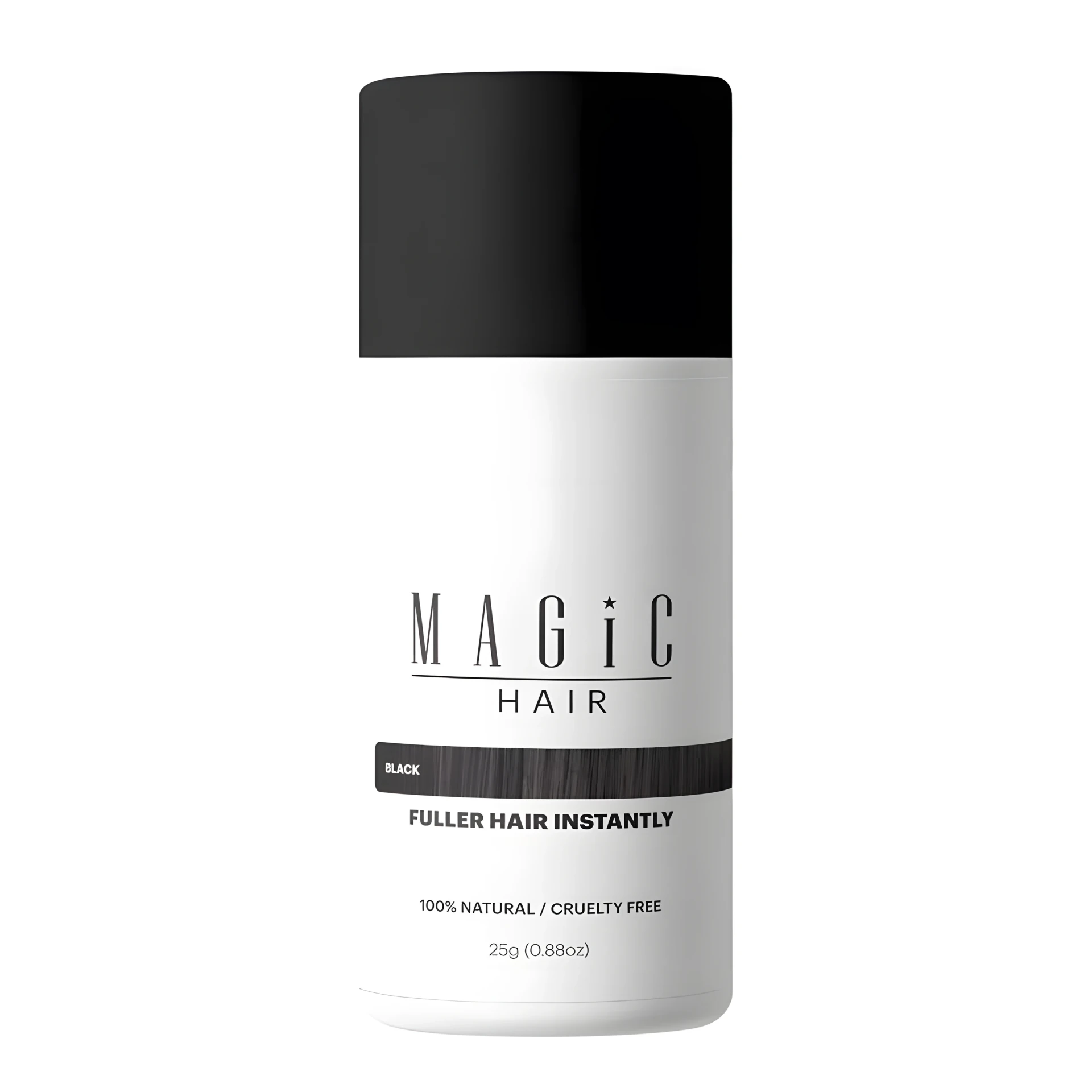
That is the whole argument for fibres. They are not a cure and they have never pretended to be. They are thirty seconds in front of a mirror that makes the next photo look like the one in your head, and they wash out whenever you want them to. When the lab finally delivers, we will happily be obsolete.
n
How to read the next headline
A short, opinionated checklist:
- Look for the phase. Phase I means safe in a handful of people, not effective
n
- Count the participants. Twelve people is a signal; twelve hundred is evidence
n
- Check who is quoted. A founder raising money is not a neutral source
n
- Ask about the crown. Most results shown are hairlines, which are far easier
n
Frequently asked questions
<p>No. Minoxidil and finasteride remain the only approved medical options here, and neither is new. Everything described above is still in trials.</p>n
<p>The opposite. Regrowth is gradual and uneven for months, which is exactly the window fibres cover best.</p>n
<p>Waiting costs you the years in between. Nothing about using fibres today rules out a treatment later, because they wash out completely.</p>n