Widening part? Why, and what helps.
Hair loss basicsA widening part is often the first thing women notice, usually in photos or under bathroom lights. It has several possible causes, and importantly, some of them are temporary.
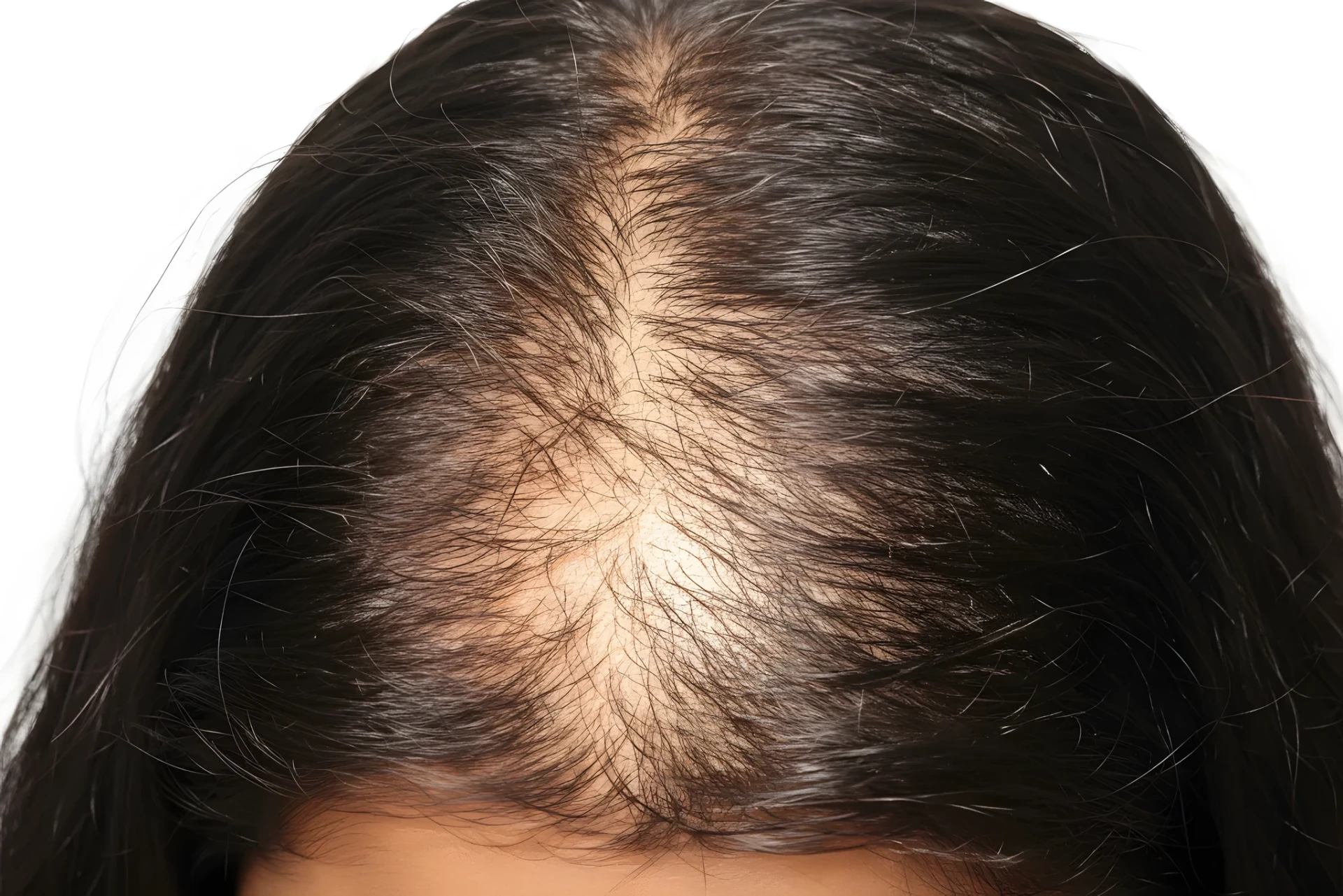
The widening part is the quiet one, mostly a women's story, usually spotted in a mirror photo or a harsh change-room light. It is also the single easiest thinning pattern to conceal.
Why do parts widen?
Female-pattern thinning rarely means a bald spot. It means diffuse density loss radiating from the part line, which is why the part is where it shows first, a stripe of scalp that used to be a hairline crack and is now a road.
Hormonal shifts, postpartum recovery, menopause, iron levels and plain genetics all feed it. It is extremely common and almost never discussed, which is why so many women think they are the only one squinting at the change-room mirror.
Why does lighting make it look worse?
Overhead lighting is the great deceiver. A downlight hits the scalp at the exact angle that maximises contrast between hair and skin, which is why your part looks catastrophic at the hairdresser and fine in your hallway. Same head, different physics.
This matters because decisions made under the worst light are the worst decisions. Judge your part in the light your life actually happens in, and track it with monthly photos rather than moment-to-moment lighting roulette.
What does the photo moment change?
Every customer with a part story mentions the same milestone: the first photo with hair pulled back, no strategic parting, no camera-angle mathematics. Take it. It becomes the before-and-after only you know about.
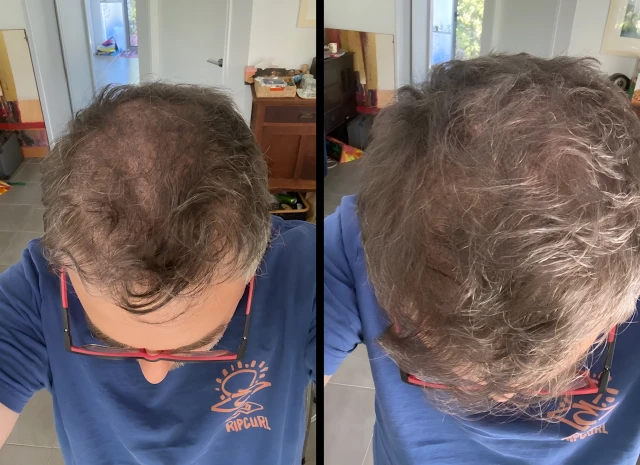
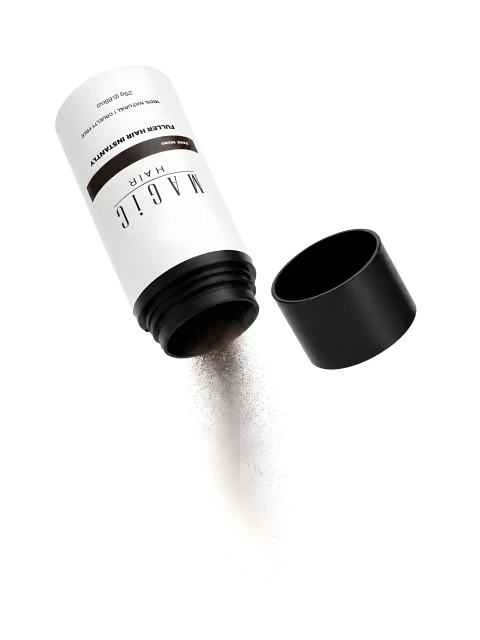
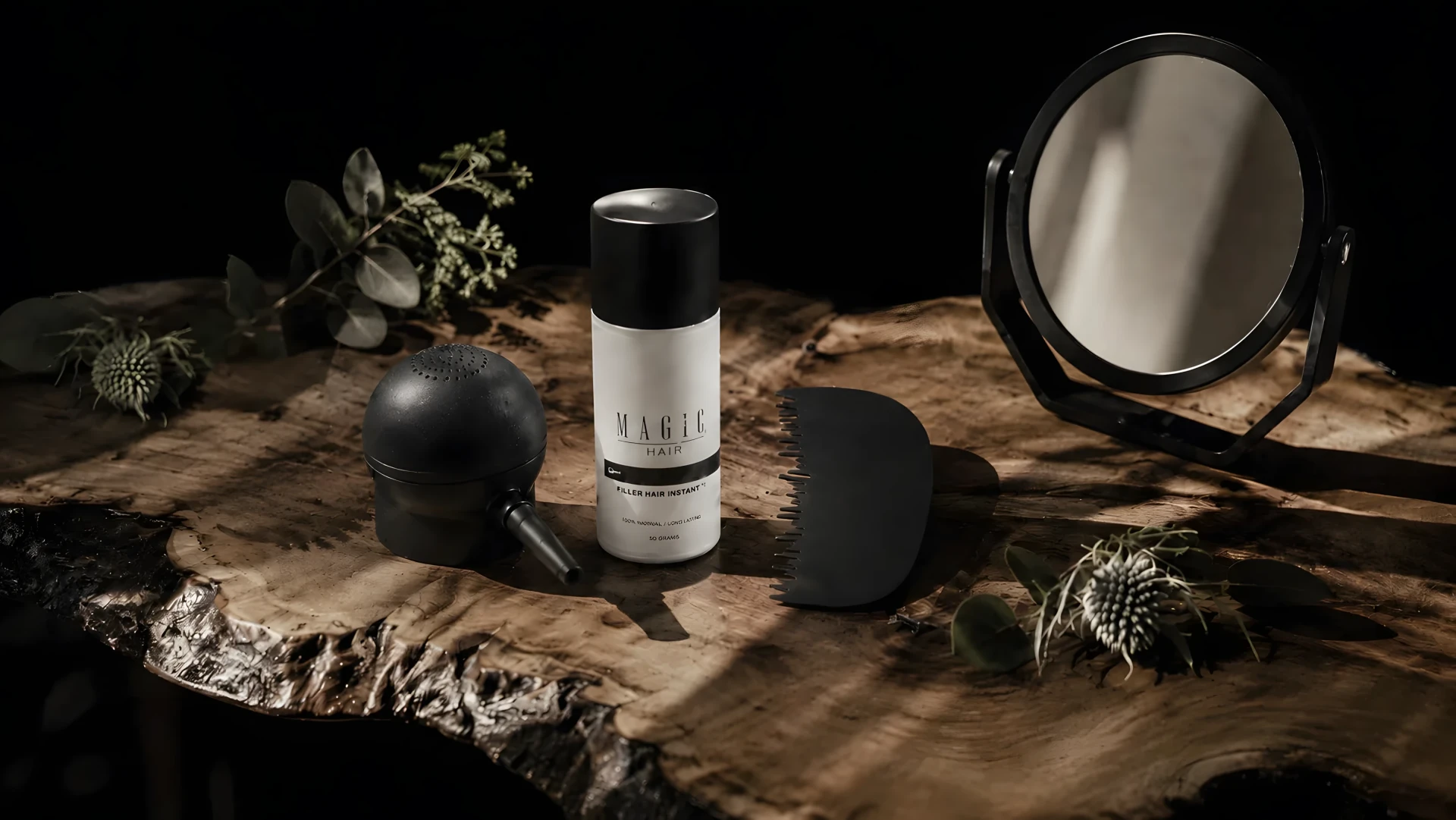
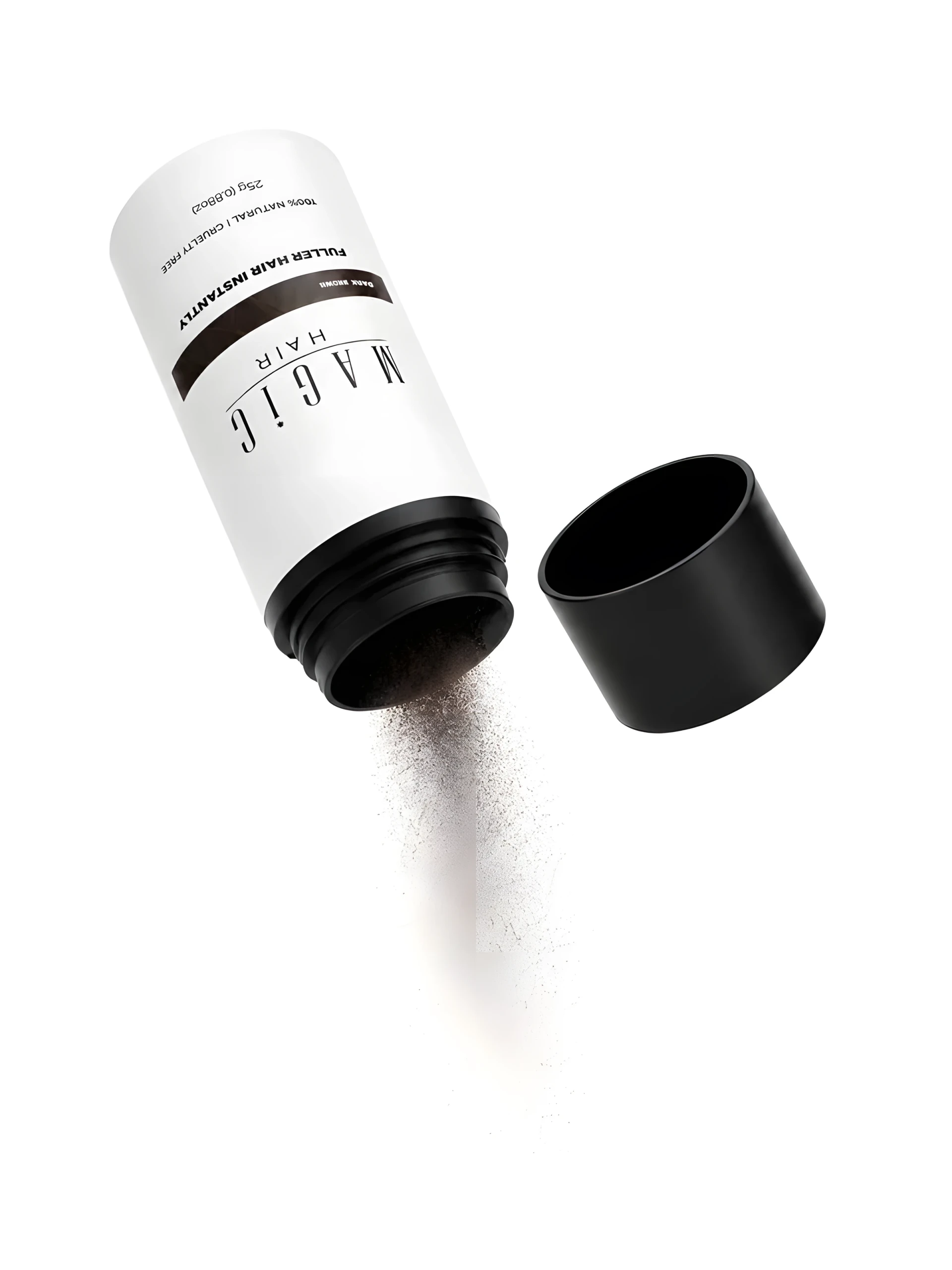
Getting there takes a pinch of fibres along the part line, ideally through the spray applicator for a clean stripe, and about 20 seconds. The scalp contrast disappears, and with it the mental load of choreographing your hair around lighting.
What should you actually do?
A short, opinionated checklist:
- Check in consistent light. The bathroom downlight is the harshest judge you own; do not let it set your mood
- Apply along the line, not the whole scalp. A widening part needs a precise stripe of fibres, the applicator exists for this
- Zig-zag your part some days. Changing the line spreads exposure and instantly reduces the contrast
- Photograph monthly. The trend tells you if this is styling or shedding
Frequently asked questions
Overhead LED lighting hits the scalp at the exact angle that maximises contrast. Everyone's part looks wider at the hairdresser.
Sometimes, depending on cause. Iron, hormones and stress respond to treatment. Either way the visual fix is 30 seconds.
Once settled, no. Pat after applying and give it a minute before contact.
A part line uses a fraction of a crown application. One bottle lasts well beyond two and a half months for part-only use.